
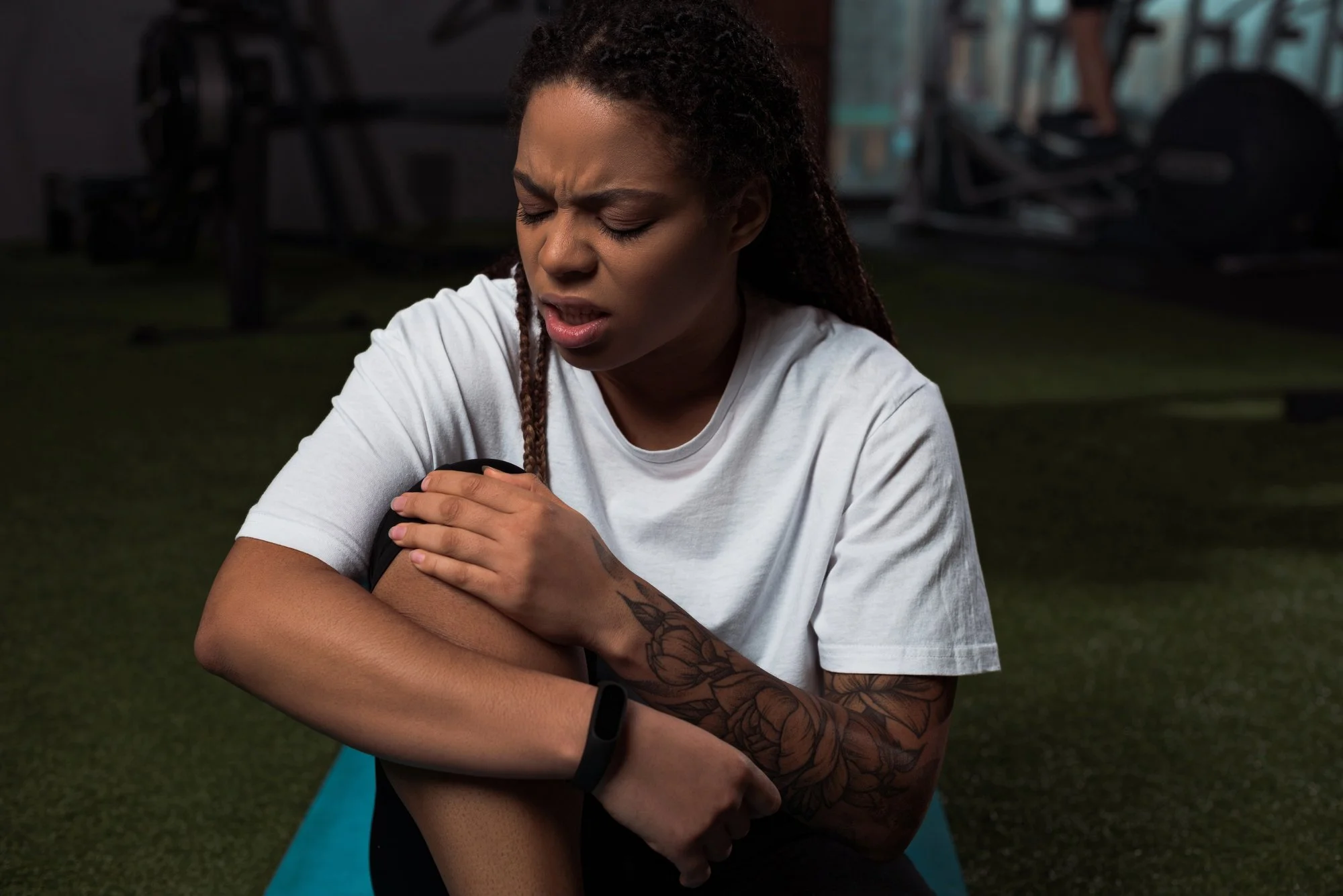
A truth many people overlook when they are in pain is that an injury changes as it moves beyond the acute stage. With the right balance of treatment, strengthening, stretching, and recovery, there are often opportunities to support healing and reduce the risk of persistent pain.
Finding that balance takes time, guidance, and an understanding of what your body needs at each stage. Acupuncture is one modality that can be used during acute pain, throughout the recovery process, and in the management of chronic pain.
A sprained ankle on day two is a very different problem from that same ankle at week seven, even if the pain is still showing up in the same place.
Knowing which stage of recovery you are in can make decisions about treatment much easier. Here’s what each phase involves and where acupuncture is commonly used along the way.
The First Three to Five Days: Swelling Is Doing a Job
Right after a strain, sprain, or impact, the area swells, heats, and stiffens. That response is part of repair, not a malfunction, and shutting it down entirely is not the goal. What tends to cause trouble is the muscle guarding that travels with it. Everything around the injury tightens to protect the site, and that guarding often outlasts the swelling by weeks.
During this window an acupuncturist will usually work away from the inflamed area rather than into it, using distal points and treating the surrounding muscles that have locked down. If the injury involved a fall, a collision, or a joint that gave way, have it evaluated medically before booking anything.
Weeks Two to Six: Where Acupuncture for Injury Pain Does the Most Work
By the second week the visible swelling has usually settled and new tissue is being laid down. The area feels better, so people start using it again, and this is where compensation patterns set in. The other leg takes the load. The opposite shoulder does the reaching. Muscles doing borrowed work develop trigger points, and those referring pain to places the original injury never touched, which is how an ankle sprain ends up as hip pain. That referral pattern is a large part of why acupuncture for pain in Oakland works to treat complex patterns that develop as a result of common injuries or overuse.
This phase is a particularly useful window for treatment. Common presentations include a rotator cuff strain that makes lifting the arm overhead difficult, runner’s knee after a sudden increase in mileage, plantar fasciitis that is worse with the first steps of the morning, and tennis or golfer’s elbow from repetitive loading.
The aim is to reduce guarding, maintain available range of motion, and support the tissue as it repairs, so you are not rebuilding movement from scratch later in the recovery process.
Past Six Weeks: When Injury Pain Stops Being About the Injury
Beyond roughly six weeks, tissue is remodeling and the original damage is often no longer the main cause of pain. What keeps the pain going tends to be a restricted range of motion, an altered movement habit, and a nervous system that has learned to treat that area as fragile. Frozen shoulder is the clearest example, where the joint stiffens well after the initial problem has quieted down.
Injury pain at this stage is still workable, though it usually asks for a planned series of visits rather than one or two. Old injuries that flare with a training increase or a change in the weather belong in this category as well.
What Happens Before Any Needles Go In
Jenny listens to your concerns and takes a full health history, performs orthopedic tests, checks your range of motion, and welcomes any diagnostic or imaging reports you can bring. This assessment is the foundation of her pain and sports injury care, helping identify contributing factors rather than focusing only on where the pain is being felt.
Treatment may include trigger points, distal meridian points, and motor points, with electro-acupuncture, cupping, moxa, or gua sha added depending on your needs and the stage of recovery. Basic rehabilitative exercises, stretching, and other home-care recommendations may also be suggested to support your progress between visits.
When to See a Physician First
Some injuries need imaging or a medical exam before any hands-on care. Get checked promptly if you cannot bear weight, if the joint looks deformed or gives way under load, if there is numbness or weakness that is not easing, or if the pain followed a hard fall or collision. Acupuncture can fit alongside medical care and physical therapy once that has been sorted out, and a licensed acupuncturist will tell you if what you are describing needs another set of eyes first.
Common Questions
Can I do acupuncture while I am in physical therapy?
Yes, and the two are often used together. Reducing pain and guarding can make it easier to do the loading and mobility work your therapist has assigned.
Do the needles go into the injured area?
Not always. Points are chosen based on the assessment, and treatment frequently targets the muscles compensating around the injury or points on the opposite limb, particularly when the site itself is still reactive.
Do I need a diagnosis or imaging before my first appointment?
No, though bringing any reports you already have is useful. If your injury has been imaged or diagnosed, that information helps shape the plan from the first visit.
If an injury is sitting at week five and not behaving the way you expected, that is a reasonable point to have it assessed rather than waiting for it to sort itself out. Jenny Crissman, M.S., L.Ac. provides acupuncture for injury pain at her Oakland practice on Telegraph Avenue, starting with orthopedic testing and a plan you can actually follow. Call 510-595-0700 to schedule an appointment.