
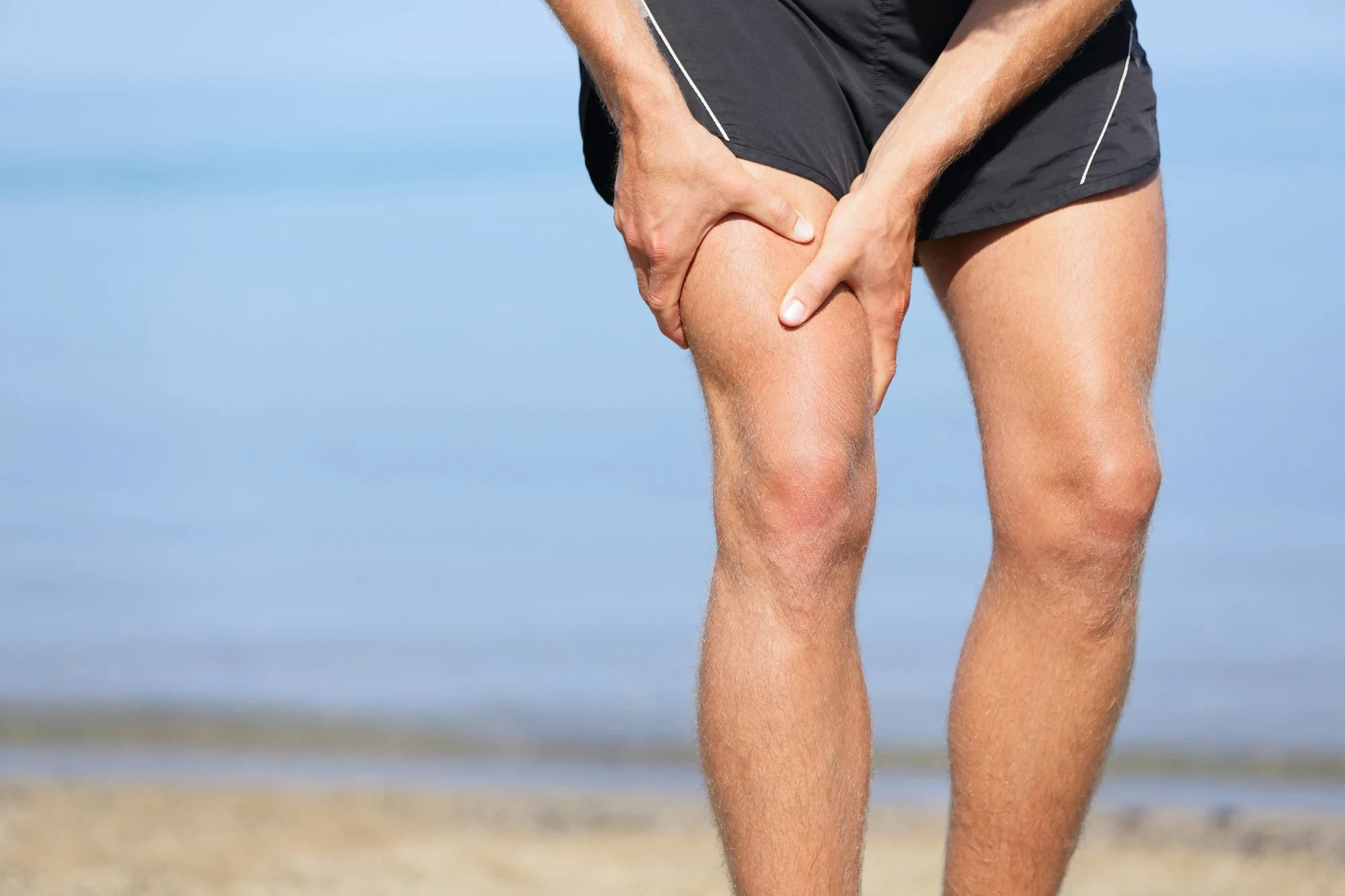
When the seasons shift in the Bay Area, Oakland gets moving. Longer days and better weather pull people outdoors for hikes, Spring Skiing, runs, weekend sports, yard work, and “I should get back into it” fitness bursts. That seasonal surge is great but our bodies often remind us of the fact that Winter stillness created some sedentary stiffness and lack of activity. Sometimes . a little stiffness turns into a stubborn back flare. A tight neck becomes a headache. Knees complain after a new running route. Sports injuries and old strains reappear right when you want to regain your fitness activities!
This is exactly why more people search for acupuncture for pain in Oakland at this time of year. Not because acupuncture is trendy, but because they want a practical way to reduce pain, restore mobility, and stay consistent with the activities they care about.
Why acupuncture is a serious option for pain relief
Pain often persists because the body gets stuck in a protective loop. When something hurts, muscles tighten to guard the area. That guarding reduces range of motion and changes how you move. Altered movement irritates tissues and joints, which increases pain, which increases guarding. It becomes an unfortunate self-perpetuating cycle.
A skilled acupuncturist approaches pain like a system problem. The goal is not just to “calm it down today” but to help your body shift out of that loop so movement becomes possible again. Many pain focused acupuncture visits combine targeted needling with a functional assessment of what is driving the symptoms. In musculoskeletal care, this can include orthopedic tests, range of motion checks, and a plan that supports both relief and recovery.
Pain types acupuncture commonly helps in Oakland
Pain is not one category. Back pain is not the same as knee pain. A sports injury is not the same as chronic neck tension from desk posture and stress. A top provider will adjust treatment based on what is actually happening.
Back pain
Back pain is one of the most common reasons people seek acupuncture. It can be acute, like a strain from lifting, or chronic, like recurring tightness and stiffness that never fully resolves. In either case, acupuncture is often used to reduce muscle guarding, support circulation, and improve mobility so you can move more normally again. That matters because a stiff back usually stays stiff until you can move without fear.
Neck pain
Neck pain often shows up with shoulder tension, jaw clenching, stress, and long hours at a computer. People also underestimate how much neck and upper back tightness can contribute to headaches and “heavy head” fatigue. Pain focused acupuncture typically aims to reduce the tension pattern and restore a comfortable range of motion, not just treat where it hurts.
Knee pain
Knee pain is rarely isolated to the knee. It can be driven by hip weakness, ankle restriction, poor tracking, old injuries, tendon irritation, or wear and tear changes. Acupuncture can be useful for calming pain while you rebuild strength and mechanics. If your knee flares every time you increase walking, hiking, or stairs, you need both symptom control and a strategy that supports better movement.
Sports injuries
Oakland is full of active people, and sports injuries are not limited to competitive athletes. Weekend basketball, pickleball, trail running, cycling, and gym routines can all create tendon irritation, strains, and repetitive stress injuries when intensity increases too quickly. Acupuncture is commonly used to support recovery by addressing pain, tightness, and compensations so you can return to activity without dragging the injury along for months.
Physical rehabilitation enhancement
Acupuncture can fit well alongside physical therapy and rehabilitation programs. The truth is b rehab only works if you can maintain movement without triggering a pain cycle. Reducing pain and guarding can help you participate more fully in rehab, progress faster, and build capacity without constantly hitting a wall.
Trigger points and why they matter for pain
A trigger point is a hyperirritable spot in a tight band of muscle that can cause local pain or refer pain to another area. That referral piece is what makes trigger points so annoying. You feel pain in one place, but the source can be elsewhere.
Examples:
A trigger point in the upper trapezius can refer pain into the neck or head.
Trigger points in the glutes can mimic low back pain or send discomfort down the hip.
Forearm trigger points can contribute to elbow and wrist pain patterns.
Trigger point focused acupuncture is used to release these tight bands, reduce referred pain patterns, and restore more normal muscle function. In practical terms, it helps when pain is muscular, myofascial, or driven by compensation and overload rather than a single obvious injury.
What separates a top acupuncture provider for pain
If you are looking for the best acupuncture for pain in Oakland, do not judge it by vibes. Judge it by process. A strong pain provider should be able to:
Take a detailed pain history that includes triggers, movement patterns, and timeline
Perform basic orthopedic tests and range of motion checks
Explain what they think is driving the pain and why
Use a mix of local points, distal points, and trigger point work when appropriate
Adjust the plan based on your response, not repeat the same session forever
Support your rehab and activity goals rather than telling you to avoid movement indefinitely
If the provider cannot explain the plan or measure progress, that is a red flag.
Jenny Crissman as a leading option for acupuncture for pain in Oakland
Jenny Crissman, M.S., L.Ac. is a well-established Oakland acupuncturist with a clear focus on pain and sports injury care. Her process is what you want from a pain provider: she listens to concerns, takes a full health history, performs orthopedic tests, checks range of motion, and welcomes imaging or diagnostic reports when relevant.
What stands out is her explicit inclusion of trigger point work and functional needling strategies. In her pain and sports injury approach, she notes the use of trigger points, distal meridian points, and motor points to treat pain effectively, with possible add ons like electro acupuncture, cupping, moxa, or gua sha depending on the case.
That matters because pain relief is rarely one dimensional. Some people need muscular release. Some need nervous system downshifting. Some need support for inflammation and tissue recovery. A provider who can combine methods thoughtfully tends to get better outcomes than someone who stays rigid.
Jenny Crissman’s broader practice also includes acupuncture, herbs, and nutrition support, which can be relevant when pain is tied to stress, sleep disruption, digestion, or systemic inflammation patterns.
For Oakland locals, her clinic location is on Telegraph Avenue in Oakland.
How to get better results from acupuncture for pain
Most people sabotage their own results by treating acupuncture like an emergency rescue instead of a short, consistent plan.
Do this instead:
Start early when pain first shows up, especially during seasonal activity increases
Track what aggravates symptoms and what improves them
Keep moving, but modify intelligently rather than pushing through sharp pain
Pair acupuncture with basic strength and mobility work when appropriate
Reassess every few visits to confirm progress and adjust the plan
The goal is not just feeling better right after treatment. The goal is waking up tomorrow with less stiffness, moving with more confidence, and staying active without your pain returning on the same cycle.
Oakland’s seasonal activity boost is exactly when back, neck, knee pain, and sports injuries spike. Acupuncture is a practical option for pain relief because it can address muscular guarding, trigger point patterns, inflammation related discomfort, and the stress response that keeps pain stuck.
If you want acupuncture for pain in Oakland with a pain and sports injury focus, Jenny Crissman’s approach is built around assessment, trigger point strategies, and a treatment plan aimed at restoring function, not just masking symptoms. Please call 510-595-0700 today to schedule an appointment.